
post sclerotherapy instructions
Post-Sclerotherapy Instructions: A Comprehensive Guide
Following sclerotherapy, diligent adherence to post-treatment guidelines is crucial for optimal healing and achieving the best possible cosmetic and medical outcomes․
Initial 24-Hour Protocol
The first 24 hours post-sclerotherapy are paramount for initiating proper healing and minimizing potential complications․ Continuous use of compression stockings is absolutely essential during this period; they should be worn without interruption to provide consistent pressure, aiding in vein closure and reducing swelling․ Avoid strenuous activity and prioritize rest, limiting movement as much as reasonably possible to prevent disruption of the treated veins․
For any discomfort, over-the-counter pain relievers like acetaminophen or ibuprofen can be utilized, following package directions carefully․ Hydration is also key; drink plenty of water to support overall recovery․ Avoid applying heat or massage to the treated area, as this could potentially exacerbate inflammation․ Strictly adhere to these initial guidelines for the best possible start to your recovery process․
Continuous Compression Stocking Use
Immediately following your sclerotherapy session, and for the entire first 24 hours, uninterrupted compression stocking wear is non-negotiable․ These stockings are specifically designed to apply graduated pressure, promoting vein closure and minimizing swelling, bruising, and discomfort․ Ensure the stockings fit properly – not too tight, nor too loose – to maximize their effectiveness․
Do not remove the stockings for any reason during this initial phase, even to shower․ If removal is absolutely necessary, consult your physician for guidance․ Maintaining continuous compression is vital for optimal results․ The consistent pressure helps to reduce blood pooling and encourages healthy circulation, accelerating the healing process and reducing the risk of complications․
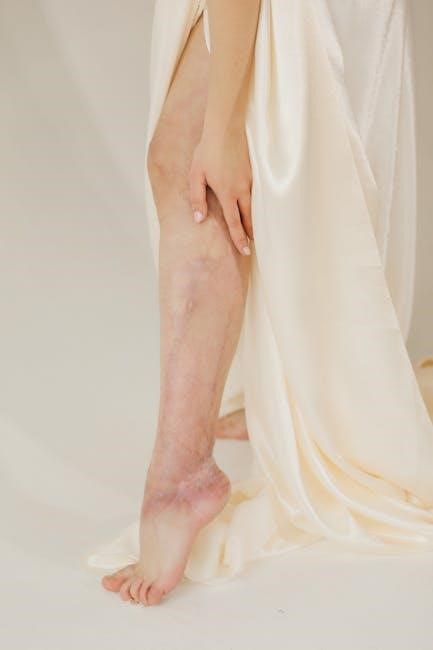
Activity Restrictions: Minimizing Movement
In the 24 hours immediately after sclerotherapy, prioritize rest and significantly reduce physical activity․ While complete bed rest isn’t usually required, strenuous activities like running, jumping, heavy lifting, or prolonged standing should be strictly avoided․ Excessive movement can disrupt the vein closure process and potentially increase bruising or discomfort․
Gentle, short walks are permissible to encourage circulation, but avoid lengthy excursions․ Limit activities that engage your leg muscles intensely․ The goal is to minimize pressure on the treated veins, allowing them to heal effectively․ Listen to your body; if an activity causes pain or discomfort, stop immediately․ Following these restrictions diligently will contribute to a smoother recovery and optimal treatment outcomes․
Pain Management: Over-the-Counter Options

Mild discomfort or aching is common following sclerotherapy, but it’s typically manageable with over-the-counter pain relievers; Acetaminophen (Tylenol) is generally recommended as a first-line option, as it doesn’t interfere with blood clotting․ If needed, you may also consider nonsteroidal anti-inflammatory drugs (NSAIDs) like ibuprofen (Advil, Motrin) or naproxen (Aleve), but discuss their use with your doctor, especially if you have pre-existing medical conditions․
Avoid aspirin, as it can increase the risk of bleeding․ Applying cool compresses to the treated area for 15-20 minutes at a time, several times a day, can also help reduce discomfort and swelling․ Remember to always follow the dosage instructions on the medication packaging and consult your physician if pain persists or worsens․
Days 1-7: Early Recovery Phase
The first week post-sclerotherapy is a critical period for healing and maximizing treatment success․ Continue wearing compression stockings, though you may be able to remove them briefly for showering, reapplying them immediately afterward․ Gentle walking is strongly encouraged to promote circulation and prevent blood clots, but avoid strenuous activities like running, heavy lifting, or prolonged standing․
Protect the treated area from direct sun exposure, as skin sensitivity may be increased․ Expect some bruising and discoloration, which are normal reactions․ Most specialists estimate a 60-80% success rate with proper adherence to instructions, so diligent follow-through is key to enjoying vein-free skin․
Compression Stocking Schedule: Gradual Reduction

Initially, continuous compression stocking use is paramount, typically for the first 24 hours following your sclerotherapy session․ After this initial period, a gradual reduction in wear time is usually recommended․ While showering, stockings can be removed, but should be promptly reapplied․
Over the following days, you may be advised to wear them for the majority of the day, decreasing the hours as your vein doctor suggests․ This phased approach aids circulation and supports the treated veins during the healing process․ Consistent use, even as you reduce the duration, is vital for optimal results and minimizing potential complications, contributing to the estimated 60-80% success rate․
Walking and Light Exercise: Encouraging Circulation
Gentle movement, such as walking, is strongly encouraged in the days following sclerotherapy to promote healthy blood flow and aid the healing process․ This helps prevent blood from pooling in the treated veins and supports optimal recovery․

However, it’s crucial to avoid strenuous activities that could increase pressure in the legs․ Light exercise, like short walks, is beneficial, but listen to your body and avoid anything that causes discomfort or pain․ Maintaining circulation is key to achieving the successful outcomes – estimated between 60-80% – that specialists anticipate, alongside diligent adherence to all post-treatment instructions provided by your vein doctor․
Avoidance of Strenuous Activity: Protecting Treated Veins
To ensure the best results from your sclerotherapy treatment, it’s vital to avoid strenuous activities for a period following the procedure․ This includes vigorous exercise, heavy lifting, and prolonged standing or sitting․ These activities can increase pressure within the treated veins, potentially hindering the healing process and impacting the success rate․
Remember, specialists estimate a 60-80% success rate with proper adherence to instructions․ Protecting the treated veins is paramount during the initial recovery phase․ Prioritizing rest and gentle movement, as advised by your vein doctor, will contribute significantly to achieving vein-free skin and a successful outcome․ Avoid pushing your body beyond its limits during this crucial time․
Sun Exposure: Protecting Skin Sensitivity
Following sclerotherapy, the treated area can experience increased skin sensitivity to sunlight․ It’s crucial to protect the skin from direct sun exposure during the recovery period and beyond․ This is because the sclerosing solution can cause temporary hyperpigmentation, which may be worsened by UV radiation․
To safeguard your skin, consistently apply a broad-spectrum sunscreen with a high SPF (30 or higher) to the treated areas․ Additionally, consider wearing protective clothing, such as long sleeves and hats, when outdoors․ Minimizing sun exposure will help prevent discoloration and promote even skin tone; Remember, following your doctor’s guidance ensures a successful recovery, aiming for that vein-free skin you desire․
Potential Side Effects and Management
Post-sclerotherapy, experiencing some side effects is common and generally temporary․ These can include bruising, discoloration, swelling, tenderness, and itching at the injection sites․ Most patients find these manageable with simple over-the-counter remedies and self-care․ Occasionally, hyperpigmentation, or skin darkening, may occur, but this typically fades over time with diligent sun protection․
It’s important to understand that these effects don’t necessarily indicate a failed procedure․ Specialist estimates suggest a 60-80% success rate with complete recoveries, contingent on following all pre- and post-intervention instructions․ If discomfort persists or signs of infection develop, promptly contact your healthcare provider for evaluation and guidance․

Bruising and Discoloration: Expected Changes
Bruising and discoloration are very common after sclerotherapy, representing the body’s natural response to the treatment․ These effects occur as the treated veins collapse and are reabsorbed by the body․ The extent of bruising varies from patient to patient, depending on individual factors and the number of veins treated․ Expect some discoloration, ranging from reddish-purple to brownish hues, around the injection sites․
This is a normal part of the healing process and typically resolves within a few weeks․ Applying cool compresses during the first 24-48 hours can help minimize bruising․ While generally harmless, significant or prolonged bruising warrants a consultation with your doctor to rule out any complications․
Swelling and Tenderness: Reducing Discomfort
Following sclerotherapy, experiencing some degree of swelling and tenderness at the injection sites is entirely normal․ This discomfort arises from the inflammation caused by the treatment as the veins react and begin to close․ The swelling is usually mild to moderate and typically subsides within a few days․ Tenderness may persist for a slightly longer duration, but should gradually diminish․
To alleviate discomfort, over-the-counter pain relievers like ibuprofen or acetaminophen can be helpful, as directed by your physician․ Elevating your legs whenever possible also aids in reducing swelling․ Avoid applying heat, as it can exacerbate inflammation; cool compresses are preferred during the initial recovery phase․
Itching: Managing Skin Irritation
Itching around the treated areas is a relatively common side effect following sclerotherapy, typically occurring as the treated veins resolve and the body responds to the inflammation․ This sensation is usually mild and temporary, but can be bothersome․ Avoid scratching the treated areas, as this could potentially lead to skin damage or infection․

To manage itching, applying a cool compress can provide soothing relief․ Your doctor may recommend an over-the-counter antihistamine cream or oral antihistamine to help control the itch․ Wearing loose-fitting clothing made of breathable fabrics, like cotton, can also minimize irritation․ If the itching becomes severe or is accompanied by a rash, contact your healthcare provider immediately․
Hyperpigmentation: Addressing Skin Darkening
Post-inflammatory hyperpigmentation, or skin darkening, can occasionally occur after sclerotherapy, particularly in individuals with a predisposition to skin discoloration or those who have experienced sun exposure shortly after treatment․ This appears as brownish discoloration around the treated veins and is generally temporary, fading over several months to a year․
Strict sun protection is paramount to minimize hyperpigmentation․ Apply a broad-spectrum sunscreen with an SPF of 30 or higher daily, even on cloudy days, and wear protective clothing․ Avoid intentional sun exposure to the treated areas․ If hyperpigmentation persists or is concerning, discuss it with your doctor, who may recommend topical lightening agents or other treatments to help fade the discoloration․
Long-Term Care and Prevention
Maintaining the benefits of sclerotherapy requires a commitment to long-term vein health․ Regular follow-up appointments with your physician are essential to monitor treated veins and address any potential recurrence․ Maintaining a healthy weight reduces pressure on leg veins, minimizing the likelihood of new varicose or spider veins developing․
Incorporating regular exercise into your routine improves circulation and strengthens leg muscles, supporting vein function․ Avoiding prolonged periods of standing or sitting, and elevating your legs when resting, can also prevent venous insufficiency․ These preventative measures, combined with consistent self-care, will help ensure lasting results and maintain healthy, beautiful legs for years to come․
Follow-Up Appointments: Monitoring Progress
Scheduled follow-up appointments are a vital component of your post-sclerotherapy care․ These appointments allow your doctor to assess the treated veins’ response to treatment and monitor for any unexpected developments․ Typically, the first follow-up is scheduled several weeks after the initial procedure to evaluate initial results and address any concerns․
Further appointments may be necessary to assess complete resolution or to discuss potential retreatment options if needed․ Consistent monitoring ensures optimal outcomes and allows for timely intervention if any complications arise․ Your doctor will provide a personalized schedule based on your individual needs and treatment plan, ensuring the best possible long-term results․
Maintaining a Healthy Weight: Reducing Vein Pressure
Achieving and maintaining a healthy weight plays a significant role in long-term vein health and preventing the recurrence of varicose or spider veins․ Excess weight increases pressure within the leg veins, potentially hindering circulation and exacerbating existing venous issues․ By managing your weight through a balanced diet and regular physical activity, you can substantially reduce this pressure․
This reduction in pressure minimizes the strain on treated veins, promoting sustained results from sclerotherapy․ A healthy lifestyle not only supports vein health but also contributes to overall well-being․ Consistent weight management is a proactive step towards preventing future vein problems and enjoying lasting benefits․
Regular Exercise: Improving Circulation
Incorporating regular exercise into your routine is vital for enhancing circulation and supporting the long-term success of sclerotherapy․ Physical activity, particularly walking and calf muscle exercises, helps to pump blood back towards the heart, reducing venous stasis – a key contributor to vein issues․ Improved circulation aids in the healing process post-treatment and minimizes the risk of future vein development․
Aim for consistent, moderate-intensity exercise most days of the week․ This doesn’t necessarily mean strenuous workouts; even a brisk daily walk can make a significant difference․ Strengthening calf muscles is particularly beneficial, as they act as a natural pump for leg veins․ Regular movement is a cornerstone of preventative vein care․
Avoiding Prolonged Standing or Sitting: Preventing Recurrence
To maximize the benefits of sclerotherapy and minimize the chance of treated veins returning, it’s essential to avoid extended periods of standing or sitting․ Both postures can impede healthy blood flow in the legs, increasing pressure within the veins and potentially leading to the reappearance of spider or varicose veins․ When prolonged stillness is unavoidable, take frequent breaks to move around and elevate your legs․
If your job requires long hours on your feet, consider using compression stockings and shifting your weight frequently․ Similarly, if you spend much of your day seated, get up and walk around every 30-60 minutes․ Simple leg exercises while seated, like calf raises, can also help maintain circulation and prevent venous stagnation․
Important Considerations
While sclerotherapy is generally safe and effective, being aware of potential complications and understanding realistic expectations is vital for a smooth recovery․ It’s crucial to promptly recognize and address any signs of infection, such as increased pain, redness, swelling, or pus at the injection site․ Seek immediate medical attention if these symptoms develop, as they could indicate a more serious issue requiring intervention․
Furthermore, remember that sclerotherapy boasts a success rate of 60-80% for complete recovery, but individual results can vary․ Following your doctor’s pre- and post-treatment instructions diligently significantly increases your chances of a positive outcome and vein-free skin․ Maintaining open communication with your healthcare provider throughout the process is key․
Signs of Infection: When to Seek Medical Attention
Promptly identifying and addressing potential infections post-sclerotherapy is paramount to prevent complications․ Be vigilant for increasing pain at the injection site, which extends beyond the initial discomfort․ Observe for escalating redness or warmth surrounding the treated area, indicating inflammation․ Noticeable swelling that doesn’t subside with compression or elevation is also a concern․
The appearance of pus or any discharge from the injection site is a clear sign of infection and requires immediate attention․ Accompanying symptoms like fever or chills should never be ignored․ If you experience any of these indicators, contact your healthcare provider immediately for evaluation and potential antibiotic treatment․ Delaying care could lead to more serious health issues․

Success Rates and Expectations: Realistic Outcomes
Understanding realistic expectations regarding sclerotherapy outcomes is essential for patient satisfaction․ While sclerotherapy boasts a generally high success rate – specialists estimate 60-80% of procedures result in complete, successful recoveries – results can vary depending on individual factors like vein size, location, and overall health․ Multiple treatment sessions are often necessary to achieve optimal cosmetic improvement․
It’s important to remember that complete vein disappearance isn’t always guaranteed; significant reduction and symptom relief are common and valuable outcomes․ Following your doctor’s pre- and post-intervention instructions diligently significantly increases your chances of a positive result․ Be patient and communicate openly with your physician regarding any concerns or questions throughout the process․
Leave a Reply
You must be logged in to post a comment.