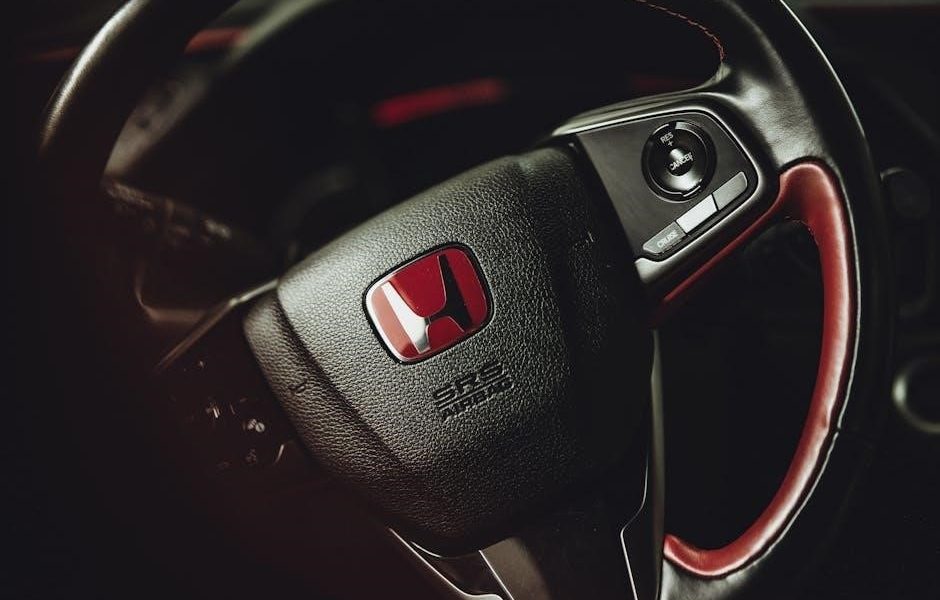
honda civic 2015 owners manual
This owner’s manual provides essential information for operating and maintaining your 2015 Honda Civic․ It details vehicle systems, safety features, and recommended care procedures for optimal performance and longevity․
Overview of the Vehicle
The 2015 Honda Civic represents a blend of efficiency, reliability, and modern features designed for a diverse range of drivers․ This vehicle incorporates advanced engineering to deliver a comfortable and engaging driving experience․ Understanding your Civic’s capabilities is key to maximizing its benefits and ensuring safe operation․
This manual serves as a comprehensive guide to all aspects of your vehicle, from basic operation to detailed maintenance procedures․ It’s crucial to familiarize yourself with the information contained within, as it will help you understand how various systems function and interact․ The Civic’s systems are designed to work harmoniously, providing a secure and enjoyable ride․
Furthermore, this manual details important safety features, including the airbag system, seat belt usage guidelines, and the Vehicle Stability Assist (VSA) system․ It also provides information regarding the Electronic Data Recorder (EDR), which records data during crash events to aid in investigations and improve safety standards․ Proper understanding of these features is paramount for responsible vehicle ownership․
Purpose of the Owner’s Manual
This owner’s manual is meticulously crafted to provide you with a thorough understanding of your 2015 Honda Civic․ It’s designed as a primary resource for safe and efficient vehicle operation, detailing everything from routine maintenance to complex system functionalities․ Reading this manual will empower you to fully utilize the Civic’s features and address potential issues proactively;
The information contained herein explains how the vehicle’s systems perform, including the engine, transmission, braking, and steering․ It also outlines critical safety features like the airbag system and Vehicle Stability Assist (VSA), ensuring you’re well-informed about protective technologies․ Understanding the Electronic Data Recorder (EDR) and its function is also covered․
Moreover, this manual serves as a guide for maintaining your Civic in optimal condition, with schedules for fluid checks, tire maintenance, and battery care․ It also includes vital warnings, such as the perchlorate warning related to airbags and batteries․ By following the guidance provided, you’ll contribute to the longevity and reliability of your vehicle․

Understanding Your Vehicle’s Systems
This section details the intricate workings of your 2015 Civic, covering the engine, powertrain, transmission, braking, steering, and suspension for comprehensive knowledge․

Engine and Powertrain
Your 2015 Honda Civic is equipped with a sophisticated engine and powertrain designed for efficiency and reliability․ Understanding its components and operation is crucial for optimal performance․ The engine utilizes a precise fuel injection system and advanced ignition timing to maximize power while minimizing emissions․ Regular maintenance, as outlined in the recommended schedule, is vital for preserving engine health․
The powertrain encompasses all components responsible for generating and delivering power to the wheels․ This includes the engine, transmission, driveshaft (if applicable), and axles․ Proper functioning of each element is essential for a smooth and responsive driving experience․ Monitoring fluid levels and addressing any unusual noises or vibrations promptly can prevent costly repairs․
Data recorded by service diagnostic recorders can assist technicians in diagnosing powertrain issues and verifying emissions compliance․ These recorders capture information about engine performance, aiding in efficient troubleshooting and maintaining the vehicle’s environmental standards․
Transmission Operation
The 2015 Honda Civic’s transmission is a vital component of the powertrain, responsible for efficiently transferring power from the engine to the wheels․ Understanding its operation ensures smooth gear changes and optimal performance․ The transmission automatically selects the appropriate gear ratio based on vehicle speed, engine load, and driver input․
Proper shifting technique, while largely automated, can contribute to fuel efficiency and longevity․ Avoid abrupt acceleration or deceleration, as this can strain the transmission․ Regular fluid checks and replacements, as detailed in the maintenance schedule, are crucial for maintaining optimal lubrication and preventing wear․
Data recorded by service diagnostic recorders can also provide insights into transmission performance, assisting technicians in identifying potential issues․ This data helps verify proper operation and ensure the transmission meets emissions standards․ Maintaining the transmission according to the recommended guidelines will contribute to a reliable and enjoyable driving experience․
Braking System Details
Your 2015 Honda Civic is equipped with a sophisticated braking system designed for reliable stopping power and control․ It incorporates features to enhance safety and stability during braking maneuvers․ The system utilizes hydraulic pressure to apply the brakes at each wheel, modulated by the Anti-lock Braking System (ABS) to prevent wheel lockup during hard braking․
Understanding how the braking system operates is crucial for safe driving․ Avoid sudden, forceful braking unless absolutely necessary․ Regular inspections of brake pads, rotors, and fluid levels are essential for maintaining optimal performance․ Data recorded during crash or near-crash events, via the Electronic Data Recorder (EDR), can include brake pedal depression information․
This data assists in analyzing braking performance during incidents․ Proper brake maintenance, as outlined in the recommended schedule, ensures consistent and reliable stopping power, contributing to overall vehicle safety and driver confidence․
Steering and Suspension
The 2015 Honda Civic’s steering and suspension systems are engineered to provide a comfortable and controlled driving experience․ These systems work in harmony to absorb road impacts, maintain tire contact, and deliver responsive steering․ The power-assisted steering reduces driver effort, especially during low-speed maneuvers and parking․
The suspension system, comprised of springs, shock absorbers, and linkages, minimizes body roll and provides a stable ride․ Regular inspections of these components are vital to ensure optimal performance and handling․ Data recorded by the Electronic Data Recorder (EDR) during a crash or near-crash situation can include vehicle dynamics information, potentially related to steering input․
Proper maintenance, as detailed in the recommended schedule, will help preserve the integrity of these systems․ Addressing any unusual noises or handling issues promptly is crucial for maintaining safety and driving pleasure․

Safety Features and Systems

Your 2015 Honda Civic is equipped with advanced safety systems, including airbags, seat belts, and Vehicle Stability Assist (VSA), designed to protect occupants during collisions;
Airbag System Operation
The airbag system is a crucial safety feature in your 2015 Honda Civic, designed to supplement seat belt protection in certain collision scenarios․ It’s engineered to deploy rapidly during moderate to severe frontal impacts, as well as in some side impacts or rollovers․ The primary purpose is to reduce the risk of serious injury by cushioning the occupant’s head and chest․
However, airbags are not a substitute for seat belts․ Always wear your seat belt, as it’s the most effective safety device in a vehicle․ Airbags are designed to work with seat belts, not replace them․ The system includes sensors that detect the severity of an impact and determine if airbag deployment is necessary․
Important considerations: Airbag deployment can cause injury to unrestrained occupants, especially children․ Never place a rear-facing infant seat in front of an active airbag․ The system may not deploy in all collisions, such as rear-end impacts or minor collisions․ Additionally, the vehicle contains perchlorate materials in the airbags, requiring special handling – refer to www․dtsc․ca․gov/hazardouswaste/perchlo for details․
Seat Belt Usage and Maintenance
Proper seat belt usage is the most important safety measure you can take in your 2015 Honda Civic․ Always ensure all occupants are securely fastened with seat belts before starting a journey․ Seat belts significantly reduce the risk of serious injury or death in a collision by restraining occupants and preventing ejection from the vehicle․
Correct usage includes: positioning the lap belt low and snug across the hips, and the shoulder belt across the chest and away from the neck․ Never allow passengers to share a seat belt․ Regularly inspect seat belts for any signs of damage, such as fraying, cuts, or loose stitching․ If damage is detected, the seat belt must be replaced by a qualified technician․
Maintenance is crucial: Clean seat belts with mild soap and water only․ Avoid harsh chemicals or abrasive cleaners․ Ensure the belts retract smoothly and lock properly during emergency braking․ The Electronic Data Recorder (EDR) records seat belt usage during a crash, providing valuable data for safety analysis․ Remember, seat belts save lives – use them on every trip!
Vehicle Stability Assist (VSA)
Your 2015 Honda Civic is equipped with Vehicle Stability Assist (VSA), an electronic system designed to enhance stability and prevent loss of control․ VSA utilizes sensors to monitor vehicle direction and compares it to the driver’s intended path․ If a discrepancy is detected, indicating a potential skid or loss of control, VSA intervenes․
How it works: VSA selectively applies braking force to individual wheels and may adjust engine power to help steer the vehicle back on course․ A VSA indicator light on the dashboard illuminates when the system is actively engaged․ While VSA enhances safety, it doesn’t eliminate the need for cautious driving․
Important considerations: VSA is not a substitute for responsible driving practices, such as maintaining a safe speed and avoiding sudden maneuvers․ The EDR records VSA activity during a crash․ Remember, VSA is a valuable safety aid, but driver awareness and skill remain paramount for safe operation․

Electronic Data Recorder (EDR) Information
Your 2015 Honda Civic is equipped with an Electronic Data Recorder (EDR), a device designed to record crucial data during certain crash or near-crash situations․ The primary purpose of the EDR is to provide insights into vehicle system performance leading up to, during, and after an event, aiding in crash analysis and safety improvements․
What data is recorded? The EDR captures information such as vehicle speed, throttle position, brake application, airbag deployment status, and whether safety belts were fastened․ This data is recorded for a short duration, typically 30 seconds or less, surrounding the triggering event․
Important notes: The EDR only activates during non-trivial crash events and does not record personal information like name or location․ However, law enforcement may combine EDR data with other investigation details․ Data related to powertrain performance is also recorded for service and research, remaining confidential․

Perchlorate Warning
This vehicle’s airbags, seat belt tensioners, and certain CR type batteries may contain perchlorate materials․ Perchlorate is a special chemical compound requiring careful handling and disposal to prevent potential environmental contamination․ It’s crucial to be aware of this presence and follow appropriate procedures when servicing or disposing of these components․
What does this mean for you? While perchlorate is safely contained within these systems during normal operation, it’s important to avoid damaging or dismantling these parts yourself․ Always rely on qualified technicians for any repairs or replacements involving airbags, seat belt tensioners, or CR batteries․
For more information, please visit the California Department of Toxic Substances Control (DTSC) website at www․dtsc․ca․gov/hazardouswaste/perchlo․ This resource provides detailed guidance on perchlorate handling, disposal regulations, and potential environmental concerns․ Proper disposal ensures responsible environmental stewardship․
Maintenance and Care
Regular maintenance is vital for your 2015 Civic’s reliability․ This section details recommended schedules, fluid checks, tire care, and battery maintenance for peak performance․
Recommended Maintenance Schedule
Maintaining your 2015 Honda Civic according to the recommended schedule ensures its longevity and optimal performance․ This schedule outlines essential services at specific intervals, categorized by mileage․ For example, every oil change is crucial, typically every 7,500 to 10,000 miles, depending on driving conditions and oil type․
Regular inspections are also key․ These include checking fluid levels (engine oil, coolant, brake fluid, power steering fluid, and windshield washer fluid), tire pressure and tread depth, brake pad thickness, and the condition of belts and hoses․ At certain mileage milestones, services like air filter replacement, cabin air filter replacement, spark plug replacement, and coolant flushing become necessary․
Severe driving conditions – such as frequent short trips, stop-and-go traffic, or driving in dusty or extremely hot/cold climates – may require more frequent maintenance․ Consult your maintenance minder system and the full owner’s manual for a detailed schedule tailored to your driving habits․ Following this schedule helps prevent costly repairs and keeps your Civic running smoothly for years to come․
Fluid Checks and Replacements
Maintaining proper fluid levels is critical for the health of your 2015 Honda Civic․ Regularly checking and replenishing fluids prevents damage and ensures optimal performance․ Engine oil is paramount; check the dipstick monthly and change it according to the maintenance schedule, typically every 7,500-10,000 miles․ Coolant levels should also be inspected, ensuring the correct mixture of coolant and water for effective temperature regulation․
Brake fluid is vital for stopping power, and its level should be checked periodically․ Low levels may indicate a leak․ Power steering fluid ensures smooth steering operation, while windshield washer fluid maintains visibility․ Transmission fluid, though less frequently checked, is crucial for smooth shifting; consult your owner’s manual for specific intervals․
When replacing fluids, always use Honda-approved fluids to avoid compatibility issues․ Dispose of used fluids responsibly at a designated recycling center․ Ignoring fluid maintenance can lead to significant mechanical problems and costly repairs, so prioritize these checks for a reliable driving experience․
Tire Information and Maintenance
Proper tire care is essential for safety, fuel efficiency, and handling in your 2015 Honda Civic․ Regularly inspect your tires for wear and damage, including cuts, bulges, and uneven tread wear․ Maintaining the correct tire pressure, found on the driver’s side doorjamb, is crucial; underinflated tires reduce fuel economy and increase wear, while overinflated tires compromise ride comfort and grip․
Rotate your tires every 5,000-7,500 miles to promote even wear and extend their lifespan․ Check the tread depth using a tread depth gauge; tires with insufficient tread are unsafe, especially in wet conditions․ Replace tires when they reach the wear bars or show signs of significant damage․
When replacing tires, ensure they match the original equipment specifications in size and load rating․ Consider seasonal tires for optimal performance in varying weather conditions․ Regularly inspect your spare tire and ensure it’s properly inflated and ready for use in case of a flat․
Battery Care and Replacement
Your 2015 Honda Civic’s battery provides the electrical power to start the engine and operate electrical components․ To maximize battery life, keep the terminals clean and free of corrosion․ Regularly inspect the battery case for cracks or leaks․ Avoid leaving lights or accessories on when the engine is off, as this can drain the battery․
Extreme temperatures can affect battery performance; cold weather reduces capacity, while hot weather can shorten lifespan․ If you notice slow engine cranking or dim headlights, it may indicate a weak battery․ Have the battery tested periodically by a qualified technician․
When replacing the battery, disconnect the negative terminal first, then the positive․ Ensure the replacement battery has the correct specifications for your vehicle․ Properly dispose of the old battery at a recycling center, as it contains hazardous materials․ CR type batteries in safety systems may contain perchlorate materials requiring special handling․
Vehicle Operation and Features
This section details how to operate your 2015 Honda Civic and utilize its features, including dashboard indicators, the infotainment system, and climate controls for a comfortable driving experience․
Dashboard Indicators and Warnings
Your 2015 Honda Civic’s dashboard features numerous indicators and warning lights designed to keep you informed about the vehicle’s status․ Understanding these signals is crucial for safe and efficient operation․ Illuminated icons require immediate attention, while others provide general information․
Key warning lights include the check engine light (indicating a potential engine issue), the oil pressure light (signaling low oil pressure), and the brake system warning light (suggesting a problem with the braking system)․ Pay close attention to any red-colored indicators, as these typically denote a serious issue requiring prompt service․
Other important indicators include the battery warning light, the coolant temperature warning light, and various lights related to the vehicle’s safety systems, such as the airbag system and Vehicle Stability Assist (VSA)․ The owner’s manual provides a comprehensive explanation of each indicator, its meaning, and the appropriate course of action․ Ignoring warning lights can lead to more significant damage or compromise safety, so always address them promptly․
Infotainment System Overview
The 2015 Honda Civic’s infotainment system provides access to various features, enhancing your driving experience․ Depending on the trim level, your vehicle may include a touchscreen display, audio controls, and connectivity options․ The system generally controls the radio, CD player (if equipped), and auxiliary/USB inputs for external devices․
Bluetooth connectivity allows for hands-free calling and audio streaming from compatible smartphones․ The system may also support features like Pandora and other smartphone app integration․ Navigation systems, if installed, provide turn-by-turn directions and traffic updates․
The touchscreen interface (where applicable) allows you to navigate through menus, adjust settings, and control various functions․ Familiarize yourself with the system’s layout and controls for safe and convenient operation while driving․ Refer to the dedicated infotainment section of the owner’s manual for detailed instructions on utilizing all available features and troubleshooting common issues․
Climate Control System
The 2015 Honda Civic’s climate control system is designed to maintain a comfortable cabin temperature for both driver and passengers․ Manual and automatic climate control options are available, depending on the trim level․ Manual systems allow you to adjust fan speed, temperature, and airflow direction directly using knobs and buttons․

Automatic climate control enables you to set a desired temperature, and the system will automatically adjust fan speed and airflow to maintain it․ Features typically include defrost and defog settings for clear visibility․ The system also incorporates air filtration to remove dust and pollen, improving air quality inside the vehicle․
Proper use of the climate control system can enhance driving comfort and safety․ Regularly check and maintain the system as outlined in the recommended maintenance schedule to ensure optimal performance․ Refer to the dedicated climate control section of the owner’s manual for detailed instructions and troubleshooting tips․
Service Diagnostic Recorders
Your 2015 Honda Civic is equipped with service-related devices that continuously record crucial information about powertrain performance․ These recorders are integral for verifying compliance with emissions regulations and assisting technicians in accurately diagnosing and resolving any service-related issues that may arise during the vehicle’s lifespan․
The data collected by these recorders can be utilized to pinpoint the root cause of performance problems, ensuring efficient and effective repairs․ This information may also be combined with data from other sources for research purposes, contributing to ongoing improvements in vehicle technology and reliability․
Rest assured, all data collected remains confidential and is handled with the utmost care․ Access to this information is restricted to authorized personnel for diagnostic and research purposes only․ These recorders operate seamlessly in the background, without impacting your driving experience or compromising your privacy․
Leave a Reply
You must be logged in to post a comment.